Complaints Procedure for Carpet Cleaners W2
 A clear complaints procedure is an important part of any professional carpet cleaning service. It helps ensure that concerns are handled fairly, consistently, and with respect for the customer. Whether the issue relates to the cleaning result, timing, communication, or property care, a structured process allows the matter to be reviewed and resolved in an orderly way. For businesses offering carpet cleaning services, this approach also supports trust, accountability, and service improvement.
When a concern is raised, the aim should be to listen carefully and understand what went wrong. In most cases, carpet cleaning issues can be addressed quickly if they are reported clearly and examined promptly. A well-designed complaint handling process makes it easier to identify the facts, assess the service provided, and decide on the most suitable next step.
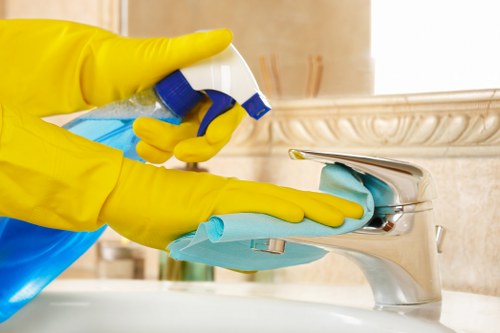 A good procedure should be straightforward for customers to follow and equally practical for staff to apply. It should explain how complaints are recorded, who reviews them, and how decisions are made. This is especially important for professional carpet cleaners, where every job may involve different fabrics, stain types, access conditions, and cleaning methods. A reliable process keeps responses consistent even when the circumstances vary.
How Carpet Cleaning Complaints Are Managed
When a complaint is received, the first step is to acknowledge it and gather the relevant details. This may include the date of service, the area cleaned, the type of issue reported, and any information that helps describe the concern. The complaint should be logged so it can be tracked from start to finish. This is an important part of carpet cleaner complaints management because it reduces confusion and helps ensure that nothing is overlooked.
The next step is review. The cleaner or service manager should assess whether the complaint relates to workmanship, equipment use, pre-existing conditions, or expectations that may not have been fully matched during booking. In some cases, the concern may be resolved by revisiting the property, re-cleaning a specific area, or explaining the cleaning outcome in more detail. A fair response is one that is based on evidence rather than assumption.
 If the matter is more complex, it may require a more detailed investigation. This can involve checking job notes, confirming the cleaning method used, or reviewing whether any special instructions were followed. A carpet cleaner complaint policy should set out who has the authority to make decisions and how long a customer should expect to wait for a response. Clear timelines help reduce frustration and support professionalism.
Key Principles of a Fair Procedure
1. Clarity
Customers should understand what counts as a complaint and how it will be handled. The process should avoid vague language and explain each stage in simple terms. Clear communication is particularly important in carpet cleaning complaints process documents, where customers may already be unsure about what results are realistic for different surfaces.
2. Respect
Every complaint should be handled calmly and professionally. Even when a claim cannot be upheld, the customer should feel that the concern was taken seriously. Respectful handling can help reduce tension and keeps the conversation focused on facts, not emotion.
3. Prompt action
Delays can make complaints harder to resolve. A timely response allows the business to inspect the issue while the details are still fresh. For complaints procedure for carpet cleaners, fast action is especially useful because floor coverings can change appearance over time due to drying, wear, or environmental conditions.
Complaints can involve a range of matters, including uneven results, missed areas, accidental damage, staining that remains after treatment, or concerns about how furniture and belongings were handled. A proper process should consider each case individually. Some issues may be due to product limitations rather than poor service, while others may indicate that a correction or follow-up is necessary.
Resolution options should be proportionate to the problem. These may include a re-clean, partial refund, explanation of findings, or another reasonable remedy. The purpose of the procedure is not only to settle the immediate issue but also to show that the business takes accountability seriously. A well-run carpet cleaning complaint procedure can protect both the customer and the cleaner by making expectations and outcomes clearer.
Documentation is another essential part of the system. Notes should be kept about the original complaint, the review carried out, the outcome offered, and any follow-up actions. This record helps ensure consistency and can be useful if the same type of issue occurs again. Over time, complaint records can reveal patterns that point to training needs, process adjustments, or equipment improvements.
Improving Service Through Complaints
 A strong complaint process should do more than fix individual problems. It should also support ongoing service improvement. By reviewing recurring concerns, carpet cleaning businesses can identify where changes may be needed in preparation, customer communication, stain assessment, or aftercare advice. This helps improve the overall standard of carpet cleaner services and reduces the likelihood of repeat issues.
Staff should be trained to handle concerns professionally and know when to escalate a case. A complaint is easier to manage when everyone involved understands the procedure and their role within it. Training should cover listening skills, accurate note-taking, evidence gathering, and respectful language. These habits support a better customer experience and stronger internal organisation.
It is also useful to review the complaints procedure regularly. As cleaning methods, customer expectations, and business operations change, the process should remain practical and up to date. A procedure that is too complicated may discourage reporting, while one that is too loose may create inconsistency. The best approach is balanced, fair, and easy to follow.
 A well-written complaints procedure for carpet cleaners W2 gives customers confidence that their concerns will be handled properly. It also helps the business respond in a measured, professional way. By focusing on fairness, clarity, and timely action, carpet cleaning providers can manage issues effectively while maintaining high standards of service. In the long run, a thoughtful carpet cleaning complaints policy supports better outcomes for everyone involved.
When complaints are treated as part of a professional service rather than an inconvenience, they become an opportunity to strengthen communication, improve methods, and reinforce trust. That is why every carpet cleaner complaint procedure should be easy to understand, carefully applied, and reviewed with consistency.