Communal area Cleaning in W2
If you manage or live in a shared building in W2, you already know that first impressions matter. Entrance halls, stairwells, corridors, lift lobbies, bin stores, and shared touchpoints all affect how a property feels day to day. Professional Communal area Cleaning in W2 helps keep these spaces clean, presentable, and more pleasant for residents, visitors, tenants, and staff. Whether the building is a converted townhouse near Bayswater, a mansion block close to Paddington, a mixed-use property in Little Venice, or a modern apartment building around Lancaster Gate, the right cleaning support makes a noticeable difference.
Shared areas are used constantly, which means they collect dust, footprints, litter, and marks far faster than private spaces. In a busy part of central London like W2, with local foot traffic, deliveries, commuting, and a mix of residential and commercial properties, those shared spaces can quickly start to look tired without regular attention. That is why many landlords, resident associations, property managers, and block owners look for a reliable local team to handle communal cleaning with consistency and care.
Our approach is practical and flexible. We focus on the areas that matter most in occupied buildings, work around access needs, and tailor schedules to the property rather than forcing a one-size-fits-all routine. If you are looking for communual area cleaning in W2 that is responsive, thorough, and suitable for local buildings of different sizes and layouts, this page explains how the service works, what is included, and what to consider before booking.
Why communal cleaning matters in W2

W2 includes some of London’s most varied property types, from period conversions and mansion flats to new-build apartments and mixed-use developments. That variety creates different cleaning challenges. Narrow staircases, shared entrances, polished floors, glass doors, mail areas, and basement refuse spaces all need regular care. A communal area that is cleaned properly does more than look tidy; it supports hygiene, reduces the spread of dirt, and helps residents feel proud of where they live.
In a busy postcode, shared spaces are exposed to weather, wet shoes, dust from the street, bin movements, and everyday wear from multiple households. Even if each resident keeps their own flat tidy, a neglected hallway or entrance can make the whole building feel uncared for. Regular communal cleaning helps maintain standards between deep cleans and prevents small issues, such as smudges on handrails or dust in corners, from building up.
For landlords and property managers, consistency is especially important. Residents often judge the quality of management by what they see when they walk through the front door. A dependable cleaning schedule can improve tenant satisfaction, support retention, and reduce complaints. For owner-occupiers, it simply means coming home to a fresher, more orderly environment.
What communal area cleaning typically includes

Every building is different, so a good communal cleaning service should be shaped around the property’s layout, materials, and occupancy. In many W2 blocks, a standard clean will cover entrances, stairways, landings, corridors, and shared internal areas. Depending on the site, it may also include lift interiors, skirting boards, internal windows, notice boards, and bin areas.
Typical tasks can include:
- Cleaning entrance floors, mats, and thresholds
- Dusting skirting boards, ledges, and reachable surfaces
- Vacuuming carpets in hallways, stairs, and landings
- Sweeping and mopping hard floors
- Wiping handrails, door handles, push plates, and switches
- Cleaning lift cabins and lift lobbies where present
- Removing cobwebs and light debris from corners and ceilings
- Emptying communal bins if agreed in the scope
- Cleaning internal glass and low-level windows
- Spot-cleaning marks on walls, doors, and painted surfaces
Some buildings need additional attention to shared storage rooms, cycle areas, post rooms, or basement access points. If your property has unique features, a local cleaner can adapt the specification so the service fits the building rather than just following a generic checklist.
Local knowledge matters in W2

Choosing a local team for communal area cleaning W2 can be a real advantage. Around Paddington, Bayswater, Hyde Park Estate, Queensway, and Little Venice, access can be tight, parking may be limited, and properties often have shared entrances that require care and discretion. A cleaner who understands the area is more likely to arrive prepared for local conditions and work efficiently around busy streets, residents, and building routines.
Local knowledge also helps with building types. Many W2 properties have Victorian or Edwardian layouts, shared internal staircases, and older finishes that need appropriate products and methods. Other buildings have modern lobbies with glass, chrome, and polished surfaces that show marks quickly. A practical cleaner should know how to protect different materials and avoid using harsh products where they could damage finishes.
Another advantage is responsiveness. If something unexpected happens, such as a spill in the lobby, heavy weather bringing in dirt, or a missed bin collection causing extra mess, a local provider is often easier to coordinate with. That matters in shared buildings where residents want issues resolved quickly and professionally.
Who needs communal area cleaning in W2?
Shared-area cleaning is relevant to a wide range of local customers. It is not just for large apartment blocks. Many smaller buildings in W2 benefit from regular upkeep too, especially where residents share an entrance, staircase, or hallway and want the building to stay welcoming.
Common customers include:
- Resident management companies
- Freeholders and leaseholders
- Property managers and block management firms
- Landlords with multi-occupancy buildings
- Housing associations and estate teams
- Commercial property owners with shared access areas
- Mixed-use buildings with residential and business entrances
- Concierge or facilities teams needing extra cleaning support
In W2, that can mean anything from a small house converted into flats to a larger development with lift access, bin stores, and shared amenity areas. The cleaning needs are different, but the goal is the same: keep communal spaces presentable, hygienic, and cared for.
How the service works

A well-organised communal cleaning service should begin with understanding the building. That usually means discussing the layout, number of floors, floor finishes, frequency required, access times, and any problem areas that need more attention. A shared entrance near a busy road may need more frequent floor cleaning, while a quieter block might need a weekly or twice-weekly visit.
A typical process may look like this:
- Review the property’s needs and cleaning priorities.
- Agree on areas to be cleaned and how often visits should take place.
- Confirm access arrangements, keys, codes, or concierge procedures if applicable.
- Carry out scheduled cleaning at agreed times with minimal disruption.
- Monitor standards and adjust the routine if the building’s needs change.
For many local customers, the value of a professional service lies in reliability. Residents want to know the hallway will be cleaned on schedule, not only when someone complains. A clear routine also helps manage expectations and reduces confusion about who is responsible for what.
What is included in a regular cleaning visit?
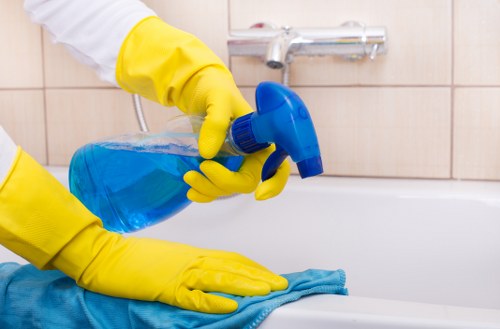
A regular visit for communal area cleaning usually focuses on the most visible and frequently used parts of the building. In many W2 properties, this means the entrance and circulation spaces that residents pass through every day. A good cleaner will pay attention to both appearance and practical hygiene.
Common visit tasks
- Vacuuming carpets and runners in stairwells and corridors
- Mopping hard floors with suitable products
- Dusting bannisters, handrails, and reachable ledges
- Wiping fingerprints and marks from high-touch points
- Cleaning the inside of the front door and surrounding glass
- Removing litter, leaves, and debris from entrances
- Spot-cleaning visible marks on walls and doors
- Checking for obvious issues to report, such as broken lights or overflowing bins
Depending on the property agreement, the visit may also include periodic tasks such as cleaning internal windows, polishing stainless steel, or paying closer attention to lift surrounds. It is important that the scope is clear so residents and managers know exactly what to expect.
Benefits for residents, landlords, and property managers
There are many reasons people choose professional communal cleaning rather than trying to manage it informally. In a busy building, it is difficult for residents to keep shared spaces looking consistently good, especially when everyone has different standards, schedules, and levels of involvement. A professional team brings routine and accountability.
Key benefits include:
- A cleaner, more welcoming entrance and hallway
- Reduced build-up of dust, debris, and marks
- Better presentation for visitors, tenants, and prospective buyers
- Improved hygiene in frequently touched shared spaces
- Less resident frustration about shared upkeep
- More consistent results than ad hoc cleaning arrangements
- Protection of flooring and finishes through regular care
There is also a practical side to presentation. Well-kept common areas can help create a calmer atmosphere in the building. Residents may be more careful with litter, deliveries, and shared surfaces when the environment already looks maintained. That positive effect can be useful in both residential and mixed-use properties.
Access, parking, and building challenges in W2
One of the reasons local experience matters in W2 is that access can be complicated. Parts of the area have limited parking, controlled access, or narrow roads where loading is not straightforward. Some buildings have basement entrances, side gates, internal courtyards, or timed access arrangements. Others have older staircases that require careful handling of equipment and products.
This is particularly relevant near busy locations such as Paddington, Queensway, Lancaster Gate, and the streets around Bayswater and Little Venice. A cleaner who works locally is more likely to plan around these realities and arrive ready to work efficiently. That can save time and reduce disruption for residents and building staff.
For customers, the best arrangement is usually one where the provider understands the property before the first clean. That includes knowing where to enter, where to park if needed, whether the site has lift access, and which hours are best for a quiet, effective clean. A reliable local company should be willing to adapt to those needs rather than expecting the building to adapt to them.
Residential and commercial communal spaces
Although many people think of communal cleaning as a residential service, it is also useful for commercial and mixed-use properties in W2. Offices with shared entrances, professional buildings with common corridors, and developments with retail at ground level may all require routine cleaning in public-facing areas. Those spaces can see heavy foot traffic and need regular attention to stay professional and safe.
For residential blocks, the focus is often on comfort, hygiene, and day-to-day presentation. For commercial properties, the emphasis may also include client-facing appearance and the impression created when people enter the building. In mixed-use properties, the cleaning plan needs to reflect both sides of the building without interfering with business operations or resident privacy.
Examples of shared spaces that often need regular care:
- Front entrances and vestibules
- Shared staircases and lift lobbies
- Corridors on each floor
- Basement and service areas
- Cycle storage and bin storage areas
- Shared courtyards or internal walkways
How often should communal areas be cleaned?
There is no single schedule that suits every building. The right frequency depends on the size of the property, how many residents use it, whether there is lift access, how busy the entrance is, and how quickly the shared areas get dirty. In a high-traffic block, weekly cleaning may not be enough. In a quieter building, a different rhythm may be more practical.
Common arrangements include weekly, twice-weekly, or more frequent visits. Some buildings also request occasional deep cleans alongside the regular schedule. The aim is to keep the standard stable so dust, litter, and marks never get the chance to build up too much between visits.
When deciding frequency, it helps to think about the areas that show dirt most quickly. Light carpets, glass panels, polished floors, and painted walls may need more frequent attention in busy properties. Stairwells and entrance mats can also collect dirt faster in wet weather, which is especially relevant during the colder months in London.
Preparing for a cleaning service
Most communal area cleaning services can begin smoothly if access and expectations are clear. Customers do not need to overprepare, but a few practical steps can help the first visit go well and make ongoing service more efficient.
Useful preparation steps:
- Confirm which areas should be included in the cleaning schedule
- Make access arrangements for doors, keys, codes, or concierge entry
- Point out any delicate surfaces or problem areas
- Share any building rules about timing, noise, or equipment storage
- Remove personal items from shared spaces where possible
- Let residents know when cleaning visits are expected if needed
It is also helpful to identify any recurring issues, such as muddy footprints near the entrance, bin odours in a shared refuse area, or fingerprints on glass doors. The more clearly these needs are described at the start, the more tailored the service can be.
Pricing factors for communal area cleaning in W2
Many customers want to know what affects the cost of communal cleaning before they request a quote. While exact prices depend on the building and the scope of work, the main factors are usually straightforward. A local provider should be able to assess the property and explain what influences the quotation without pressure.
Common pricing factors include:
- Size of the building and number of floors
- Frequency of cleaning visits
- Condition of the communal areas
- Type of flooring and finishes
- Whether lifts, windows, or extra zones are included
- Access complexity and time needed on site
- Any specialist requirements for mixed-use or high-traffic properties
It is usually best to compare like with like. A lower quote may not include all the tasks a building really needs, while a more detailed service may provide better consistency and fewer gaps in the routine. Clear specifications help everyone understand what is covered and avoid misunderstandings later.
Why choose a local company in W2?
Choosing a local provider for communal area cleaning is often about more than convenience. A company familiar with W2 is more likely to understand the pace of the area, the variety of property types, and the practical obstacles that can affect service delivery. That can include parking restrictions, resident access arrangements, and the different expectations found in blocks ranging from older conversions to modern developments.
Local teams are often easier to coordinate with when the building needs a schedule adjustment or an extra visit. If there has been a spill, a moving day, a weather-related mess, or an event that has left the shared areas busier than usual, being able to respond quickly matters. Customers usually want a provider that feels dependable and close enough to understand the day-to-day reality of the building.
What many customers look for in a local service:
- Consistent attendance and punctual visits
- Clear communication about scope and timing
- Flexible cleaning plans for different building types
- Respect for residents, staff, and private access rules
- Attention to detail in high-touch, high-visibility areas
Areas covered around W2
Communal cleaning demand in W2 often extends across nearby neighbourhoods and connected parts of West and Central London. Buildings in and around Paddington, Bayswater, Queensway, Lancaster Gate, and Little Venice may all have shared areas that benefit from regular maintenance. Depending on the property and access, surrounding streets and nearby postcodes can also be included as part of a local service arrangement.
Because the district contains such a mix of residential streets, estates, and commercial premises, local cleaning plans are usually designed around the specific building rather than a fixed area type. A building close to transport links may need more frequent entrance cleaning, while a quieter side street may need a different schedule to keep common spaces looking good without unnecessary visits.
If you manage several properties, it can also be useful to work with one local company across multiple sites in the wider W2 area. That can make scheduling easier and help keep standards more consistent from one building to the next.
What to look for in a communal cleaning provider
When choosing a cleaning company, it helps to look beyond basic promises and focus on practical service quality. Shared buildings need cleaners who are careful, consistent, and able to work around residents. A strong provider should be willing to discuss the property in detail and explain how the service will be delivered.
Look for a provider that can offer:
- A clear cleaning scope matched to your building
- Flexible scheduling for mornings, weekdays, or other agreed times
- Appropriate methods for different surfaces and finishes
- Communication around access, reporting, and recurring issues
- Experience with both residential and mixed-use communal spaces
It is also sensible to ask how the team handles missed access, building-specific instructions, and occasional changes in requirements. In shared properties, small details matter. A service that understands those details is more likely to keep residents satisfied over time.
Frequently asked questions
How is communal cleaning different from regular domestic cleaning?
Communal cleaning focuses on shared areas used by multiple households or businesses. That usually means entrances, stairs, landings, corridors, lift areas, and shared facilities. It is designed for buildings rather than private homes, and the work often needs to account for resident access, durability of finishes, and repeat traffic throughout the day.
Can the cleaning schedule be adjusted if the building becomes busier?
Yes. A good service should be flexible enough to respond when occupancy changes, when weather causes extra dirt, or when the building needs a temporary increase in visits. Many W2 properties benefit from a schedule review after a few weeks of service so the routine can be fine-tuned.
Do you clean both residential and commercial communal areas?
Many local communal cleaning services can support both. Residential blocks, office buildings, and mixed-use premises each have different priorities, so the service should be tailored accordingly. The important thing is that the scope is agreed clearly before work begins.
What if our building has narrow stairs or awkward access?
That is common in W2, especially in older conversions and period properties. A local cleaner should be able to work carefully in tight spaces and use suitable equipment for the layout. Access details should be discussed in advance so the visit is efficient and safe.
Can bin stores and shared refuse areas be included?
Often, yes, if this is agreed in the service scope. These areas usually need specific handling because they can attract odours, spills, and litter. They are important spaces in many buildings and should not be overlooked.
How do we request a quote?
Simply provide the building type, number of floors, main areas to be cleaned, preferred frequency, and any access notes. From there, a local provider can usually prepare a quote based on the actual needs of the property. Contact us today to request a free quote or arrange a visit for a tailored cleaning plan.
A cleaner shared building starts with a clear plan
Well-managed communal spaces make everyday life easier for everyone in the building. They help residents feel more comfortable, support the value and appearance of the property, and reduce the build-up of dirt in areas that are used constantly. For many customers, the most important thing is knowing the service will be consistent and suited to the realities of the building.
If you are looking for Communal area Cleaning in W2, the best next step is to discuss your property’s layout, access, and priorities. Whether you need a straightforward weekly clean or a more tailored arrangement for a busy residential or commercial site, a local team can help create a practical schedule that works.
Book your service now or request a free quote to get started. If you manage a block in Paddington, Bayswater, Queensway, Little Venice, or nearby parts of W2, now is a good time to put a reliable cleaning routine in place and keep your shared areas looking their best.