Kensington Gardens upholstery cleaning experts in Bayswater
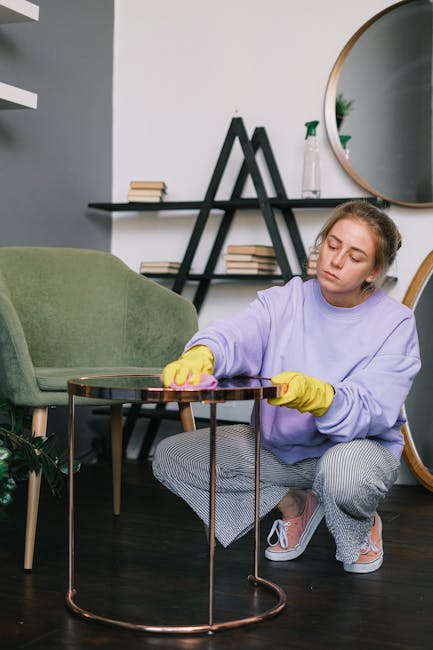
If your sofa has lost its colour, your dining chairs look a bit tired, or that favourite armchair has picked up one too many coffee marks, you are probably looking for a solution that feels careful, local, and actually worth the money. That is where Kensington Gardens upholstery cleaning experts in Bayswater come in. The right team can lift dirt, refresh fabric, and help your furniture last longer without turning your home into a damp waiting room for two days. Not ideal, obviously.
This guide explains what professional upholstery cleaning involves, why it matters in a busy Bayswater setting, how the process works, and how to judge whether a service is right for your furniture. It also covers common mistakes, practical tips, and a simple checklist so you know what to ask before booking. If you want a cleaner, healthier living space with less guesswork, you are in the right place.
Why Kensington Gardens upholstery cleaning experts in Bayswater Matters
Upholstery gets used every single day, and because it is soft and absorbent, it collects far more than you might notice at first glance. Body oils, dust, pet hair, crumbs, outdoor grime, drink spills, and the general fade of urban life all settle into fabric over time. In a place like Bayswater, where homes and flats can see a lot of footfall and changing weather at the door, that build-up can happen quickly.
Professional upholstery cleaning matters because it is not just about appearance. It is about preserving the structure of the fabric, reducing odours, and helping furniture feel pleasant again. A good clean can also make a room look brighter straight away. You know that moment when the sofa suddenly makes the whole lounge seem less dull? That.
For many people in Kensington Gardens, upholstery also represents a real investment. A decent sofa or suite is not something you replace lightly. Cleaning it well can delay replacement, which is useful whether you are in a family home, renting a flat, managing a furnished property, or preparing for guests. If you already care about the broader condition of your home, services such as house cleaning and deep cleaning often go hand in hand with upholstery care.
There is also a hygiene angle. Upholstered furniture can trap allergens and lingering smells, especially in busy households. Professional cleaning will not turn your home into a laboratory, thank goodness, but it can make the space feel fresher and easier to live in.
How Kensington Gardens upholstery cleaning experts in Bayswater Works
In practice, upholstery cleaning starts with identifying the fabric and the condition of the furniture. That part matters more than people think. Cotton, wool blends, synthetics, velvet, microfibre, and leather-like materials all behave differently. A capable cleaner should inspect the label, test a small hidden area, and choose a method that suits the material rather than forcing one routine onto everything.
Most professional cleaning follows a sequence. First comes inspection and pre-treatment. Then loose dirt is removed with controlled vacuuming or brushing. Stains may be treated with suitable solutions, and the main clean may involve hot-water extraction, low-moisture methods, or specialist fabric care depending on the item. Finally, the fabric is groomed and left to dry properly.
Drying time is one of those boring-but-important details. In a real home, especially during a grey London afternoon, ventilation and heating can affect how quickly furniture becomes usable again. Good cleaners should explain what to expect rather than mumbling something vague like "it'll be fine."
If your sofa has linked problems such as pet smells, streaks, or stubborn marks, a service focused on sofa cleaning, stain removal, or pet stain odour removal may be the closest fit. For soft furnishings beyond the sofa, curtain cleaning and rug cleaning can help keep the entire room consistent rather than only fixing one obvious problem.
Key Benefits and Practical Advantages
Let's face it, people usually book upholstery cleaning for one of three reasons: the furniture looks grim, it smells a bit off, or they want to protect an item they actually like. Those are all fair reasons. But the benefits go further than surface-level neatness.
- Better appearance: Colours look brighter, fabric looks less flattened, and marks often become far less noticeable.
- Improved comfort: Clean upholstery simply feels nicer to sit on. Nobody wants to sink into sticky armrests.
- Odour reduction: Food, smoke, pet, and general household smells can cling to fabric.
- Longer furniture life: Dirt acts a little like sandpaper on fibres, so removing it helps preserve the material.
- Better presentation: Important for landlords, hosts, and anyone trying to keep a home ready for visitors.
- More hygienic living space: A professional clean can reduce the buildup that regular vacuuming misses.
For property owners, the practical advantages can be even clearer. If you are preparing a flat for new occupants, upholstery cleaning may sit alongside end of tenancy cleaning or move out cleaning. If you are settling into a new place, it can also pair neatly with move in cleaning.
And here is the quiet advantage people forget: a cleaner sofa often changes how you use a room. You sit down more willingly. You keep blankets and cushions off the floor less often. The room feels calmer. Small thing, but it adds up.
Who This Is For and When It Makes Sense
Professional upholstery cleaning makes sense for a surprisingly wide range of people. If you have a family sofa that has been through snacks, school bags, pets, and the occasional spilled juice, yes, this is for you. If you rent a property and want it to present well between tenancies, also yes. If you run a small office with fabric chairs in a meeting room, absolutely. Fabric furniture in a commercial setting takes a beating in ways people rarely notice until it starts looking weary.
It is especially useful if:
- the upholstery has visible stains or ring marks
- the fabric smells stale or musty
- you are sensitive to dust or pet hair
- the furniture has not been professionally cleaned for a long time
- you are preparing for guests, tenants, or a property sale
- you have children or pets and want the room to feel fresher
For commercial settings, a broader service such as commercial cleaning or office cleaning may be more appropriate, especially where seating forms part of reception or meeting areas. In domestic settings, though, the right choice is often an upholstery specialist who understands fabric safety and drying times rather than a general cleaner who "also does sofas." There is a difference.
Not every item is worth saving, of course. If a frame is damaged, the stitching has failed, or the fabric has worn through, cleaning can only go so far. A good expert will tell you that honestly. That kind of honesty is worth more than a sales pitch.
Step-by-Step Guidance
If you have never booked a professional upholstery clean before, the process can feel a bit mysterious. It is usually much simpler than it sounds.
- Identify the furniture and fabric. Check any care label, note the material, and mention known stains, pets, or previous treatments.
- Request an assessment. A proper cleaner should ask a few questions about age, fibre type, and condition before promising results.
- Prepare the room. Move small items, clear side tables, and make sure the cleaner can access the furniture easily.
- Test the fabric. Good practice is to test an inconspicuous area first, especially on delicate or colour-sensitive materials.
- Pre-treat where needed. Stains, traffic marks, and odours are usually treated before the main clean.
- Carry out the cleaning method. This might be low-moisture cleaning, hot-water extraction, or a fabric-specific approach.
- Allow proper drying. Open windows if suitable, use ventilation, and avoid sitting on the furniture too early.
- Inspect the result. Check the cleaned area in daylight if possible. Morning light is often unforgiving, but useful.
If the upholstery is part of a wider refresh, you may want to coordinate the visit with carpet cleaning or steam carpet cleaning. That can save time and helps the whole room look balanced rather than half-clean and half-tired.
A small but important note: do not assume a stronger product gives a better result. Sometimes the gentler approach is the one that protects the fabric most effectively. Harsh treatment can leave a sofa looking "clean" but feeling stiff, faded, or patchy. Not great.
Expert Tips for Better Results
There are a few things seasoned cleaners tend to do that make a noticeable difference. Nothing exotic. Just sensible habits that protect the furniture and improve the finish.
- Vacuum first, always. Dry soil should come out before moisture is introduced.
- Deal with stains honestly. Tell the cleaner what caused the mark if you know. Wine, ink, grease, and pet urine all behave differently.
- Keep cushions and throws aside. That lets the cleaner treat the full surface evenly.
- Use airflow after cleaning. Open a window if the weather and security allow it.
- Rotate cushions regularly. This helps prevent one side from looking worn faster than the rest.
- Ask about drying expectations. A reliable cleaner should be able to give you a realistic time frame.
Truth be told, the best results often come from a good conversation at the start. Mention the fabric, the stains, the age of the piece, and any previous attempts to clean it. The more context you give, the fewer surprises later on.
If you have specific concerns about safety, insurance, or working in occupied homes, it is worth reviewing a provider's insurance and safety information and health and safety policy before booking. That is not being fussy. That is just sensible.
Common Mistakes to Avoid
A lot of upholstery damage happens because someone tried to be helpful a little too quickly. We have all been there. You spill something and immediately grab the nearest product. Sometimes that works; sometimes it makes the stain larger and more impressive in the worst way.
- Rubbing a stain aggressively: This can drive the mark deeper into the fibres.
- Using too much water: Over-wetting can lead to slow drying, water rings, and lingering odours.
- Skipping the test patch: Especially risky on delicate, dyed, or mixed fabrics.
- Using bleach or strong household chemicals: These can strip colour or weaken fibres.
- Ignoring the care label: That little tag is more useful than it looks.
- Booking only on price: Cheapest is not always best, particularly for specialist furniture.
Another common mistake is assuming all upholstery can be cleaned the same way. It cannot. A modern synthetic sofa and a lightly textured natural fibre chair are not the same job. A proper cleaner should recognise that straight away. If they do not, that is a warning sign.
Also, do not forget the room around the furniture. If the nearby carpet, rug, or curtain is dusty, the freshly cleaned upholstery will not look quite as fresh as it should. It is a bit like washing one plate in a sink full of others. Better, but not the full picture.
Tools, Resources and Recommendations
For homeowners and tenants, the most useful resources are often practical rather than fancy. A soft brush, a vacuum with an upholstery attachment, clean white cloths, and a gentle fabric-safe spot cleaner can help you handle day-to-day maintenance between professional visits.
For professionals, the right tools may include controlled extraction equipment, low-moisture systems, specialist spotters, and fabric-safe deodorising products. The important part is not the gadget itself. It is how carefully it is used.
When looking at a provider, check whether they offer the kind of support that matches your home or property. For example, if your upholstery problem is part of a larger reset after a renovation, after builders cleaning may be relevant too. If the space is a short-let or managed property, Airbnb cleaning may help you cover the bigger picture, not just the soft furnishings.
You can also look at a company's approach to recycling and sustainability if using eco-friendlier methods matters to you. That does not always mean "green" means better for every fabric, but it is a useful part of the conversation.
If you are comparing providers, service pages like pricing and quotes, payment and security, and terms and conditions can be useful for understanding how a business works before you commit. Transparent information tends to be a good sign. Usually.
Law, Compliance, Standards, or Best Practice
For upholstery cleaning in the UK, the most relevant issues are usually safety, honest trading, careful handling of chemicals, and clear communication about what a service does and does not include. There is no need to overcomplicate it, but best practice does matter.
A trustworthy provider should be able to explain how they protect fabrics, how they manage moisture, and how they reduce slip or trip risks in the home while the furniture dries. If staff are entering occupied properties, there should be sensible attention to insurance, conduct, and safe working procedures. A responsible business should also be clear about complaints handling and customer care, which is why pages like complaints procedure can be reassuring to review.
If the company displays clear information about its about us page and general service policies, that often tells you they are not hiding behind vague promises. I would always prefer a provider that explains the process plainly rather than one that throws around glossy phrases and hopes nobody asks questions.
For domestic settings, the standard to aim for is simple: informed fabric care, respectful access, careful chemical use, and an outcome that looks and feels better without creating new problems. That is the real benchmark.
Options, Methods, or Comparison Table
Different upholstery cleaning methods suit different materials and levels of soiling. The best choice depends on the fabric, how dirty it is, and how quickly you need it back in use.
| Method | Best for | Strengths | Things to watch |
|---|---|---|---|
| Hot-water extraction | Many synthetic sofas and heavily soiled upholstery | Deep cleaning, strong soil removal, good for general refresh | Longer drying time if overused or poorly controlled |
| Low-moisture cleaning | Delicate fabrics and quicker turnaround needs | Faster drying, less saturation, often gentler | May need more careful pre-treatment for stubborn marks |
| Spot treatment | Isolated stains or localised damage | Targets a problem area without overworking the whole piece | Not always enough on its own if the whole item is dull |
| Specialist fabric care | Velvet, wool blends, mixed fibres, and sensitive finishes | Tailored treatment and better fabric protection | Requires real expertise, not guesswork |
For many homes, the right answer is not one method forever, but one method for this fabric, this stain, this timeline. That sounds obvious, yet it is exactly where many poor results come from.
Case Study or Real-World Example
Here is a simple real-world scenario. A Bayswater household had a three-seat sofa in a shared lounge that had picked up a mix of tea marks, pet hair, and day-to-day grime. Nothing dramatic. Just that slow, lived-in look that makes a room feel a bit older than it is. The owners were not trying to make it look brand new. They just wanted it to feel clean again.
The cleaner first checked the fabric and tested a hidden section. The sofa was pre-vacuumed, the heavier marks were treated carefully, and the main clean was kept controlled rather than drenched. The room was left ventilated, and the cushions were rotated while drying. By the next day, the difference was obvious: the colour looked more even, the smell had lifted, and the lounge felt less heavy. Not magic. Just careful work.
That sort of result is common when expectations are realistic. The point is not perfection. The point is a furniture piece that feels welcome again.
Practical Checklist
Before you book Kensington Gardens upholstery cleaning experts in Bayswater, run through this quick checklist. It keeps the process calm, which is useful when you already have a million other things going on.
- Know the item type: sofa, armchair, dining chair, footstool, or curtain
- Check for a care label or any manufacturer guidance
- Note the main issue: stain, odour, dirt, pet hair, or general dullness
- Tell the cleaner about any previous cleaning attempts
- Ask how long drying is likely to take
- Confirm whether they use fabric-safe methods
- Ask what happens if a stain does not fully lift
- Review pricing, payment, and terms before booking
- Make sure access to the room is easy on the day
- Plan ventilation afterward if possible
If the furniture is part of a wider domestic refresh, pairing the appointment with regular cleaning or a one-off reset such as one off cleaning can make the whole home feel easier to manage. That combination often works well in busy households.
Get a free quote today and see how much you can save.
Conclusion
Kensington Gardens upholstery cleaning experts in Bayswater offer more than a cosmetic tidy-up. Done properly, upholstery cleaning protects fabric, improves comfort, helps manage odours, and gives a room that quietly satisfying sense of order. The trick is choosing a service that treats your furniture as a specific material with specific needs, not just "another sofa."
Whether you need to revive a favourite chair, freshen a family sofa, or prepare a property for the next stage, the right approach is careful, realistic, and transparent. Ask sensible questions, check the fabric care, and do not rush the drying. A little patience goes a long way, honestly. The results tend to speak for themselves.
And if you are still deciding, that is fine too. Good decisions around home care are usually made with a cup of tea, a bit of daylight, and a clear plan. Nothing fancy. Just practical, and that's usually enough.
Frequently Asked Questions
What does upholstery cleaning usually include?
It usually includes inspection, vacuuming, stain pre-treatment, a fabric-appropriate cleaning method, and drying guidance. Some cleaners also offer odour treatment if needed.
How often should upholstery be professionally cleaned?
That depends on use. Busy family homes, pet households, and furnished rentals often benefit from more regular cleaning than a low-traffic spare room. A sensible rhythm is better than waiting until the fabric looks obviously tired.
Can upholstery cleaning remove all stains?
Not always. Some stains are permanent, especially if they have set for a long time or damaged the fibre. A good cleaner should explain what is likely to improve and what may remain visible.
Is upholstery cleaning safe for delicate fabrics?
Yes, when the method is chosen properly. Delicate fabrics usually need a careful test patch, lower moisture, and specialist handling. That is why fabric identification matters so much.
How long does upholstery take to dry?
Drying time varies by fabric, method, and ventilation. Some items dry relatively quickly, while others need longer. Good airflow helps, but the cleaner should set realistic expectations before starting.
Will cleaning remove pet odours from my sofa?
It can improve them significantly, especially if the odour has not penetrated deeply into the filling. In tougher cases, a more targeted treatment such as pet odour removal may be needed.
Should I clean the upholstery myself or hire a professional?
Light maintenance is fine for many households, but deep stains, delicate fabrics, and valuable furniture are usually better handled by a professional. DIY is useful until it suddenly is not.
Do I need to move the furniture before the cleaner arrives?
Usually not the main pieces, but it helps to clear small items, valuables, and clutter around the furniture. The easier the access, the smoother the appointment.
Can upholstery cleaning be combined with other services?
Yes. Many people pair it with carpet cleaning, rug cleaning, curtain cleaning, or a broader deep clean so the whole room feels consistently refreshed.
What should I ask before booking an upholstery cleaner?
Ask about fabric testing, cleaning methods, drying time, stain expectations, insurance, and pricing. Those questions tell you far more than a polished sales pitch ever will.
Is it worth cleaning old furniture?
Often yes, if the frame is sound and the fabric is still in good condition. Even older furniture can look and feel much better after a careful clean. Sometimes that is all it needs.
How do I know if a cleaner is trustworthy?
Look for clear service information, sensible policies, straightforward answers, and a professional approach to fabric care and safety. Transparency usually beats big promises.