Bayswater Cleaning Guide for Queensway and Westbourne Grove
If you live, work, rent, or manage property around Queensway and Westbourne Grove, cleaning can feel oddly tricky. Homes are often busy, buildings are older than they look, and foot traffic never really stops. Add London dust, shared hallways, rental changeovers, post-renovation mess, or the sheer pace of daily life, and a standard wipe-down just does not cut it. This Bayswater cleaning guide for Queensway and Westbourne Grove gives you a practical, local-minded way to get better results without wasting time, money, or energy.
Whether you are dealing with a one-off deep clean, regular upkeep, or a more specific job like carpets, upholstery, or end-of-tenancy cleaning, the aim is the same: make the place genuinely fresh, not just tidy enough for a quick glance. Below, you will find a clear process, sensible advice, and a few real-world pointers that help in Bayswater's mix of apartments, terraces, managed blocks, and busy commercial spaces.
- Why this guide matters locally
- How the cleaning process works
- Key benefits and practical advantages
- Who this is for and when it makes sense
- Step-by-step guidance
- Expert tips for better results
- Common mistakes to avoid
- Tools, resources and recommendations
- Law, compliance, standards, or best practice
- Options, methods, or comparison table
- Case study or real-world example
- Practical checklist
- Conclusion
- Frequently asked questions
Why Bayswater cleaning guide for Queensway and Westbourne Grove Matters
Queensway and Westbourne Grove sit in a part of west London where homes, short-let flats, shops, and offices all overlap. That matters because cleaning needs here are rarely simple. A hallway in a converted building can collect grime faster than you expect. A rental flat near Queensway station can see heavy turnover. A cafe or office near Westbourne Grove may need frequent attention just to stay presentable through the week. To be fair, that is part of the charm of the area too. It is active, lived-in, and always moving.
The practical challenge is that different surfaces and spaces need different approaches. A soft carpet, a stone floor, painted walls, or a fabric sofa will not all respond to the same treatment. If you clean everything the same way, you risk dulling finishes, leaving residue, or pushing dirt deeper into materials. That is why a location-specific approach is so useful. It helps you plan around local property types, use the right methods, and set realistic expectations.
There is also a timing issue. In busy London streets, dirt does not build up slowly and politely. It appears after a wet week, a renovation, a tenant handover, or a few too many coffee runs across the same carpet. A good guide helps you respond before a small issue becomes a bigger one. Simple enough, really, but easy to overlook.
For property owners and managers, cleaner spaces also reduce complaints, improve presentation, and protect surfaces for longer. If you want a more structured service that fits your home or business, it is worth looking at deep cleaning options alongside routine upkeep. And if your needs are ongoing, regular cleaning can be the difference between staying ahead and constantly catching up.
How Bayswater cleaning guide for Queensway and Westbourne Grove Works
The simplest way to think about cleaning in this part of Bayswater is in layers. First, you remove loose dust and visible debris. Then you tackle grime, marks, odours, and high-touch areas. Finally, you treat specialist surfaces with the right method so they dry properly and stay in good condition. That sounds obvious, but plenty of jobs go wrong because those layers get rushed.
A practical cleaning plan usually begins with inspection. What is the surface? How dirty is it? Is there staining, grease, pet odour, water spotting, or build-up from previous cleaning products? A hallway carpet in a managed building needs a different plan from a family kitchen floor. A fabric sofa near an open window may need dust and pollen treatment, while a rented flat after move-out may need oven cleaning, bathroom sanitation, and stain work all at once.
In most cases, professional cleaning follows a sequence like this:
- Assess the room, surface type, and problem areas.
- Pre-treat stains, traffic lanes, or heavy soil.
- Use the correct cleaning method for each surface.
- Rinse or extract residues where required.
- Dry, ventilate, and check the finish.
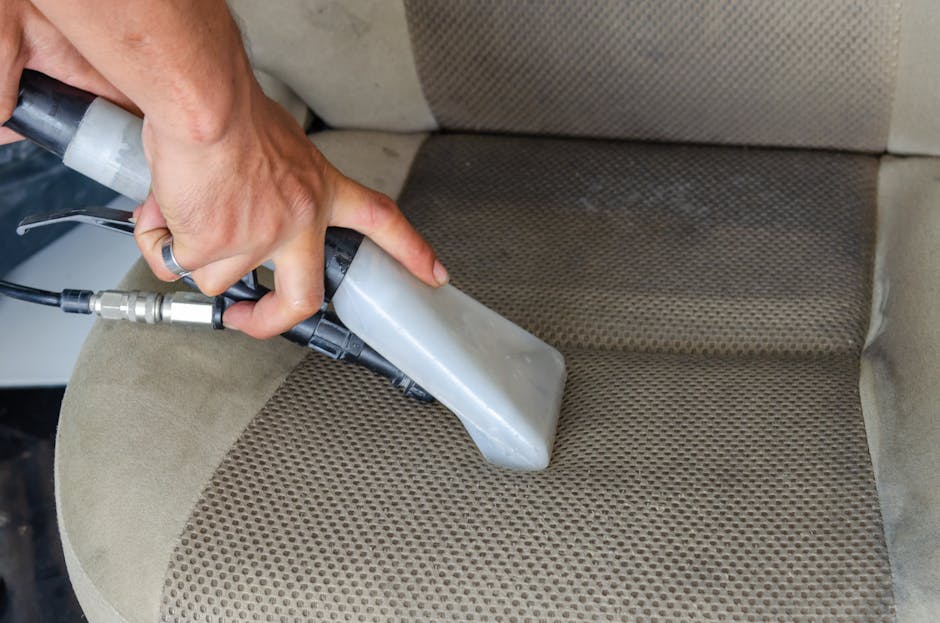
For example, a property with tired carpets and marked upholstery might benefit from carpet cleaning plus upholstery cleaning on the same visit. If there are food smells, pet issues, or set-in marks, add pet stain odour removal or targeted stain removal as needed. The point is not to throw every service at the job. It is to choose the right ones.
If you are dealing with hard surfaces, especially in kitchens, bathrooms, or entryways, hard floor cleaning can be especially helpful because dirt in these areas tends to cling to grout lines, edges, and corners. And once grime settles there, it becomes stubborn. Very stubborn.
Key Benefits and Practical Advantages
A proper cleaning plan in Queensway and Westbourne Grove gives you more than a nicer-looking room. It protects the materials you already own, improves how the place feels day to day, and often saves time in the long run. That last one is underrated. People assume cleaning faster is better. Usually, it is just faster at becoming a second job later.
- Better presentation: Useful for rentals, guest stays, sales viewings, and client-facing premises.
- Longer surface life: Regular care can slow wear on carpet fibres, fabrics, and hard flooring.
- Less lingering odour: Helpful in homes with pets, cooking smells, or heavy foot traffic.
- Improved comfort: Cleaner rooms simply feel calmer and easier to live in.
- Less friction with landlords or guests: Especially around end-of-tenancy or Airbnb turnovers.
In our experience, the biggest practical gain is consistency. Once a property starts getting cleaned properly on schedule, the work gets easier. Stains do not have as long to settle. Dust does not turn into a film. And the whole place feels less like it is constantly recovering from the week.
For landlords and tenants, that matters at checkout time. For businesses, it matters every morning the shutters go up. For families, it matters on a Saturday when you would rather not spend three hours scrubbing under the table.
Some readers also need a mix of domestic and commercial support. If that sounds familiar, it can help to compare domestic cleaning with commercial cleaning so you know which model suits your space.
Who This Is For and When It Makes Sense
This guide is for anyone in or around Bayswater who wants a cleaner property without guessing their way through it. That includes long-term residents, renters, landlords, letting agents, office managers, short-let hosts, and homeowners preparing for a move. If you have ever looked around a room and thought, "It is not dirty exactly, but it is definitely not clean," this is for you.
It makes sense to act when you notice one or more of these signs:
- traffic lanes or dull patches on carpets
- odours that linger after airing the room
- grease around kitchen touchpoints
- dust buildup on skirting, vents, and ledges
- marks on sofas, curtains, or upholstery
- bathroom limescale or residue that keeps returning
- post-build dust after renovation or decorating
A lot of people wait until everything looks bad. That is understandable, but not ideal. A better approach is to clean at the point where the task still feels manageable. If you have just moved into a flat, move-in cleaning sets a better baseline. If you are heading out, move-out cleaning helps reset the property properly. And if you are trying to secure a deposit return, end-of-tenancy cleaning is often the sensible route.
Short-let hosts also have a different rhythm altogether. If that is your world, Airbnb cleaning is about speed, consistency, and presentation between stays. No drama, just solid turnaround work.
Step-by-Step Guidance
Here is a grounded way to approach a Bayswater clean without making it more complicated than it needs to be. It is the sort of process that works whether you are doing some of it yourself or briefing a professional team.
- Start with a walkthrough. Open the curtains, look at the corners, and check where dust, grease, or marks have accumulated. You will often spot more in daylight.
- Sort by surface. Group carpets, rugs, upholstery, hard floors, glass, and vertical surfaces separately. Different materials, different methods.
- Deal with the biggest problems first. Tackle stains, odours, limescale, oven grease, or post-build dust before general wiping.
- Use the right service where needed. A stubborn rug may need rug cleaning. A tired sofa may need sofa cleaning. A mattress with hygiene concerns may need mattress cleaning.
- Clean high-contact zones. Handles, switches, railings, taps, cupboard pulls, and remote controls need more attention than most people give them.
- Finish with the overlooked details. Skirting edges, window ledges, curtain hems, and behind radiators tend to collect the boring grime. The boring grime is often the worst kind.
- Allow proper drying and ventilation. Fresh air helps, especially after steam or extraction work.
If the property has just had builders in, the order changes slightly. Dust and residue need special handling, and it is usually better to begin with after builders cleaning before you think about any finishing touches. Otherwise you just end up cleaning the same dust twice. Which, let's be honest, is nobody's hobby.
For kitchens, an oven often deserves its own mini plan. If that appliance is the source of smell or grease, oven cleaning can make a surprisingly big difference to the whole room. For windows and natural light, window cleaning helps the property feel brighter and cleaner even before the rest is finished.
Expert Tips for Better Results
Good cleaning is mostly about sequence, restraint, and patience. The temptation is always to scrub harder. Usually, that is not the answer.
- Test products on a hidden patch first. Especially on dyed fabrics, older carpets, and delicate surfaces.
- Work from top to bottom. Dust falls. Gravity has not stopped working just because the flat is tidy.
- Do not overwet fabrics. Excess moisture can slow drying and leave marks or smells.
- Keep airflow moving. Open windows where practical, or use fans to help drying after extraction work.
- Separate maintenance from deep work. Weekly dusting and monthly deep tasks are not the same thing.
- Use the right specialist service when there is a clear problem. Curtains, sofas, rugs, and carpets all respond better when treated as individual materials.
There is also a money-saving angle here. If you maintain soft furnishings and floors properly, you tend to delay replacement. That is a decent return for a fairly unglamorous bit of routine care. Not exciting, but effective.
If odours keep coming back after routine cleaning, look at the source rather than the smell alone. A pet bed, a carpet edge, a hidden spill, or a sofa cushion can be the real culprit. That is where targeted pet stain odour removal earns its keep.
Common Mistakes to Avoid
Most cleaning problems in Bayswater are not dramatic disasters. They are small errors repeated a few times. That is the annoying part.
- Using one product for everything. Glass, wood, fabric, stone, and carpet all need different care.
- Scrubbing stains too aggressively. This can spread the mark or damage the pile.
- Ignoring drying time. Damp furniture or flooring can feel fine for an hour and then become a problem later.
- Leaving it until checkout day. End-of-tenancy work always goes smoother when planned early.
- Forgetting the hidden areas. Behind bins, under beds, along skirting, and around appliances are where inspection failures often start.
- Assuming all odours are surface-level. Sometimes the issue is deeper in carpet fibres or upholstery stuffing.
One of the most common errors in apartments near Queensway is overfocusing on visible rooms and forgetting communal touchpoints. Hallways, landings, and shared entrances matter too. If your building needs a broader approach, communal area cleaning can help maintain a better standard for everyone.
Another easy mistake is using the wrong expectation for the job. A regular cleaner can keep things under control, but some properties need a one-off reset first. In that case, one-off cleaning is often the better starting point.
Tools, Resources and Recommendations
You do not need a room full of gear, but the right basics make a big difference. Think practical, not flashy.
| Task | Useful tool or service | Why it helps |
|---|---|---|
| Routine dust and surface care | Microfibre cloths, vacuum, neutral cleaner | Keeps surfaces tidy without damaging finishes |
| Soft furnishings | Upholstery cleaning | Helps with stains, smells, and general wear |
| Floor restoration | Steam carpet cleaning | Useful for deeper carpet refresh and extraction |
| Premises with frequent visitors | Office cleaning | Supports a professional standard in workspaces |
| Property reset after major work | After builders cleaning | Removes dust, debris, and residue properly |
For many households, the smartest "resource" is not equipment but planning. A seasonal clean, a post-rental refresh, or a pre-guests reset can do more than a collection of random products. That is especially true in Westbourne Grove, where property standards are often judged quickly and visually. First impressions do quite a lot of heavy lifting.
If you want reassurance around service standards, look through practical business pages such as insurance and safety, health and safety policy, and recycling and sustainability. Those are useful signals that the provider thinks beyond the immediate clean.
Law, Compliance, Standards, or Best Practice
Cleaning itself is not just about appearances. In the UK, good practice also means working safely, handling products responsibly, and respecting the property and people involved. You do not need to become a compliance expert to appreciate that. Still, a few standards of behaviour matter.
For domestic and commercial cleaning, the main best-practice points are straightforward:
- use cleaning products according to instructions
- keep areas ventilated where possible
- avoid mixing chemicals
- protect delicate surfaces before treatment
- manage slips, trips, and electrical risks during wet cleaning
- respect tenancy, building, and access arrangements
If a property is occupied, communication matters just as much as technique. Tell people which rooms are being worked on, how long they need to stay clear, and whether drying time will affect access. A clean flat with a wet hallway is still a hazard. A very tidy hazard, but still a hazard.
For landlords, agents, and managing teams, clear service terms help avoid disputes over what was included. If you are comparing service arrangements, review terms and conditions, pricing and quotes, and the provider's complaints procedure. That is not exciting reading, granted, but it does make life easier later.
For flat shares and managed buildings, it may also be worth understanding how access and data handling are approached. In practice, that means reading pages such as accessibility statement and privacy policy if you are booking or coordinating services on behalf of others.
Options, Methods, or Comparison Table
Different properties need different approaches. Here is a simple way to compare the main options people use around Queensway and Westbourne Grove.
| Method | Best for | Strengths | Watch-outs |
|---|---|---|---|
| Regular cleaning | Homes, flats, offices, ongoing maintenance | Keeps everything under control and prevents build-up | May not be enough for neglected areas |
| Deep cleaning | Seasonal resets, special occasions, heavily used spaces | Targets grime, corners, and overlooked surfaces | Needs more time and more preparation |
| End-of-tenancy cleaning | Moving out, landlord inspections, deposit-sensitive jobs | Helps standardise the finish for handover | Works best when booked before the deadline crunch |
| Steam carpet cleaning | Carpets with embedded dirt or traffic marks | Good for deeper fibre refresh | Drying time needs to be managed |
| One-off cleaning | Sudden reset, event prep, occasional catch-up | Flexible and practical | Not a substitute for ongoing upkeep in busy spaces |
If you are unsure which route fits your situation, start with the question: what is the real problem? Dust everywhere? Stain in one room? Grease in the kitchen? A rental handover? Once you define that clearly, the choice usually becomes obvious. Well, clearer anyway.
Case Study or Real-World Example
Here is a realistic example based on the kind of work often needed in this part of Bayswater. A furnished flat near Queensway has been occupied for a year and is now due for a tenant changeover. The carpets look acceptable at first glance, but the main bedroom has a faint odour, the lounge sofa shows dull marks on the armrests, and the oven has a greasy film that no amount of quick wiping will fix.
The sensible response is not to spray a bit harder and hope for the best. The better plan is to combine end-of-tenancy cleaning with focused service work: oven cleaning for the kitchen, carpet cleaning for the living and sleeping areas, and sofa cleaning for the living room furniture.
The outcome is usually better in three ways. First, the flat presents better for inspection. Second, the incoming tenant starts with a genuinely fresh space rather than a merely tidy one. Third, the surfaces are less likely to hold onto old odours or residue that cause complaints later. That last part matters more than people think.
A similar pattern comes up in commercial spaces along Westbourne Grove. A small office or studio may not need constant deep work, but it can benefit from structured commercial carpet cleaning, regular floor care, and the occasional reset after a busy season. Not glamorous. Very effective.
Practical Checklist
Use this checklist before, during, or after a clean in Bayswater. It is simple on purpose.
- Identify the main cleaning goal: maintenance, deep clean, move-out, or post-build reset.
- Check which surfaces need specialist treatment.
- Remove clutter so the work can actually reach the problem areas.
- Note stains, odours, and fragile materials before work begins.
- Confirm access, timing, and drying expectations.
- Use the right service pages for carpets, rugs, sofas, curtains, or windows if needed.
- Ventilate rooms after wet or steam-based cleaning.
- Inspect corners, edges, and hidden areas once the job is done.
- Plan the next clean before the space slips back into the old habit.
If you are working in a building with shared circulation spaces, do not forget the entrance and corridors. A tidy flat can still feel messy if the common areas are neglected. That is where communal area cleaning can quietly improve the whole property's feel.
Practical summary: the best results usually come from matching the method to the surface, the timing to the property use, and the effort to the actual problem. Keep that triangle in mind and most cleaning decisions get easier, honestly.
Get a free quote today and see how much you can save.
Conclusion
Bayswater properties around Queensway and Westbourne Grove have a rhythm of their own. They are busy, mixed-use, and often beautifully lived in. That is part of the appeal, but it also means cleaning needs to be thoughtful rather than rushed. A good plan protects surfaces, improves comfort, and helps homes and businesses stay presentable without constant firefighting.
If you remember only one thing from this guide, make it this: do not treat every cleaning job the same. Carpets, upholstery, hard floors, ovens, windows, and shared areas all need different attention. Once you start cleaning that way, the results tend to look better, smell fresher, and last longer. And that is the kind of small win that makes a big difference on an ordinary weekday morning.
When done well, cleaning stops feeling like a chore you are always behind on. It becomes one of those quiet bits of care that keeps life moving smoothly. Bit by bit, the place just feels better.
Frequently Asked Questions
What is included in a Bayswater cleaning guide for Queensway and Westbourne Grove?
It usually covers the main cleaning needs of local homes, rentals, and businesses, including regular maintenance, deep cleaning, carpets, upholstery, hard floors, and move-related cleaning. It is about choosing the right approach for the property rather than using one method for everything.
How often should a property in Queensway or Westbourne Grove be cleaned deeply?
That depends on how the space is used. Busy homes, rentals, and commercial spaces may need deeper attention more often than quieter properties. The best clue is not the calendar alone, but how quickly dust, odours, or visible wear return.
Is steam cleaning safe for carpets and rugs?
Usually, yes, when it is used correctly and on suitable materials. The main things to watch are fabric type, moisture levels, and drying time. If you are unsure, it is wise to choose a professional assessment first.
What should I do before booking end-of-tenancy cleaning?
Clear personal items, note any damage or problem areas, and check what the landlord or agency expects. If carpets, ovens, or upholstery need attention too, those should be planned in advance rather than discovered at the end.
How do I deal with pet smells in a flat near Bayswater?
Start by identifying where the smell is strongest. Carpets, sofas, pet bedding, and hidden soft furnishings are common sources. A targeted treatment such as pet stain odour removal is often more effective than general surface cleaning alone.
Do I need different cleaning methods for hard floors and carpets?
Yes, absolutely. Hard floors may need residue-safe washing and careful drying, while carpets need fibre-safe cleaning and extraction methods. Using the wrong approach can cause damage or leave the surface looking worse.
What is the difference between deep cleaning and regular cleaning?
Regular cleaning maintains a property week to week. Deep cleaning goes further and tackles built-up grime, neglected corners, and more stubborn marks. They work best together rather than as substitutes for one another.
Can window cleaning make a noticeable difference indoors?
Very much so. Clean windows bring in more light, which makes rooms feel fresher and cleaner straight away. In a bright street like Westbourne Grove, that effect can be surprisingly noticeable.
What if the property has just had building work done?
Then after builders cleaning is usually the right starting point. Builder dust travels everywhere, especially into edges, vents, and soft furnishings. Cleaning too early or in the wrong order often just spreads the dust around again.
How do I know whether I need sofa cleaning or upholstery cleaning?
Sofa cleaning is usually used when the main item is a sofa, while upholstery cleaning is broader and can cover chairs, cushions, and other fabric-covered furniture. The right choice depends on what needs attention and how the fabric reacts to treatment.
Are there special considerations for shared buildings and communal spaces?
Yes. Shared hallways, stairwells, entrances, and touchpoints can affect how the whole property feels. Communal area cleaning helps keep the building looking cared for, which matters for residents, visitors, and property managers alike.
How can I get better value from cleaning services?
Be clear about the main goal, book the right type of service, and combine tasks sensibly where it makes sense. For example, pairing carpet cleaning with stain removal or move-out cleaning with oven cleaning can be more efficient than booking separate visits later.